The Alleged Link Between High - Protein Diets and Testosterone: A Scientific Exploration
Author: Chris Shugart
Introduction
There has been a long - standing debate regarding the potential risks associated with high - protein diets. Myths such as kidney damage, calcium leaching from bones, shortened lifespan, and a purported limit of 30 grams of protein absorption per meal have been widely spread. However, these claims have been comprehensively refuted, and only perhaps the most staunch vegetarian relatives might still hold onto such beliefs. Now, a new contention has emerged from the anti - protein camp: that high - protein diets lead to a reduction in testosterone levels. But is there any scientific basis to this claim? Let's delve into the actual scientific research.
The Protein Study
The notion that "protein lowers testosterone" stems from a recent meta - analysis conducted by Whittaker in 2023. This comprehensive study synthesized all available research on the relationship between protein intake and testosterone levels. The researchers aimed to determine whether high - protein diets had an impact on testosterone (T) and to define precisely what constitutes a "high - protein" diet.
Key Findings
The results indicated that very high protein intakes do seem to cause a decrease in testosterone levels. Specifically, there was an approximate drop of 145 ng/dL (5 nmol/L). However, it's crucial not to jump to conclusions prematurely. This decrease was only observed in three short - term studies, and all of these studies involved protein intakes so high that even most professional bodybuilders do not consume them. The threshold was set at more than 1.54 grams of protein per pound of body weight per day. For instance, for a 150 - pound individual, this equates to approximately 230 grams of protein per day. For a 180 - pound person, it's over 275 grams daily, and for a 200 - pound individual, it exceeds 310 grams.
The researchers postulated that this could be due to a short - term physiological adaptation aimed at clearing nitrogen. The body may lower testosterone (while simultaneously increasing cortisol) to assist in processing excess nitrogen through the urea cycle. Nevertheless, the long - term implications of this phenomenon remain uncertain, as most of these studies only lasted for 10 days. On a more reassuring note, the researchers found no evidence of a testosterone decrease when protein intake adhered to the normal recommendations for weightlifters and athletes, which is typically around 1 gram of protein per pound of body weight per day.
How to Apply This Information
Firstly, it can be confidently stated that the typical high - protein diet, as defined by the classic guideline of consuming about a gram of protein per pound of body weight, does not lower testosterone levels. Thus, one can inform skeptical relatives that the claim of high - protein diets reducing testosterone is unfounded, except perhaps in cases of extremely high - protein intakes, and even then, only in the short term.
In reality, most individuals, including weightlifters, struggle to meet the recommended protein intake. The average man consumes only around 100 grams of protein per day. As the meta - analysis pointed out, a normal high - protein diet is associated with increased satiety, fat loss, and the preservation of lean muscle mass during calorie deficits.
For those who are not reaching their 1 g/lb body weight (BW) protein goal, a simple solution is to incorporate one or two protein shakes into their daily routine. For example, two scoops of Metabolic Drive (available for purchase on Amazon) contain 42 grams of protein, consisting of a blend of whey protein isolate and micellar casein, which provides sustained metabolic enhancement.
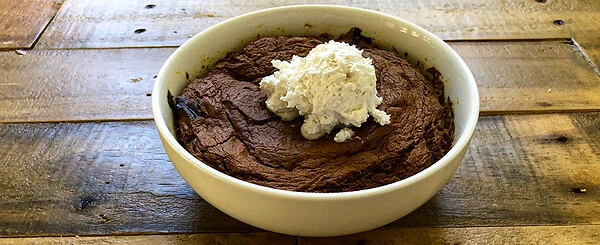
For those who prefer a more solid form of protein, there are numerous Metabolic Drive recipe ideas available. Additionally, if one is interested in protein powder recipes, the relevant Reddit subreddit can be a valuable resource.
Reference
Whittaker, Joseph. "High - Protein Diets and Testosterone. Nutrition and Health, vol. 29, no. 2, June 2023, pp. 185–191. SAGE Publications